Lacy Phacelia Seeds
(12-24" tall) Elegant Lacy Phacelia is a no-fuss
native wildflower that can really take the heat! This beauty thrives in full
sun and tolerates dry soil, making it the perfect low-maintenance addition to
your garden or meadow. Flowers are borne in intriguing curved clusters and open
sequentially, gracing your planting with their delicate lavender-purple hue all
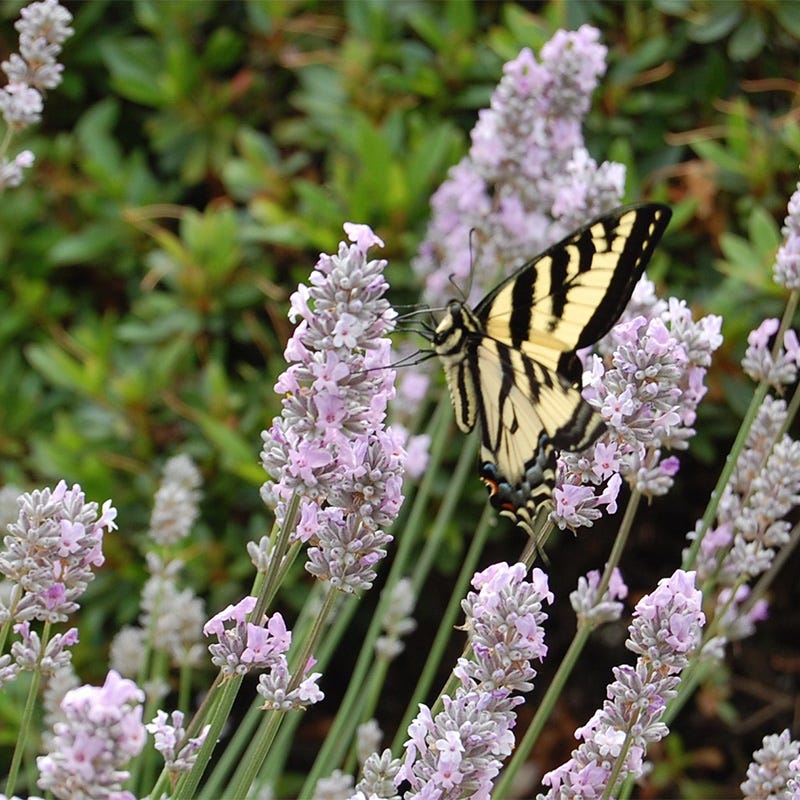
summer long. Extra-long, whisker-like stamens and abundant nectar make the
flowers beacons for butterflies and bees, keeping your garden buzzing with
activity. They're a lovely and long-lasting cut flower, too! Lacy Phacelia can
also be used as a summer cover crop, similar to buckwheat, to attract
pollinators, add organic matter, and crowd out weeds. Or it can be planted in
fall and allowed to winter-kill (if temperatures drop below 20 degrees F). The
plants' deep roots "mine" minerals, making them available to
subsequent crops. Plant this beauty among your vegetables — the flowers will entice
beneficial hoverflies to lay eggs, and when they hatch the hungry larvae will happily
consume any aphids pestering your plants.
Original: $8.99
-65%$8.99
$3.15Product Information
Product Information
Shipping & Returns
Shipping & Returns
Description
(12-24" tall) Elegant Lacy Phacelia is a no-fuss
native wildflower that can really take the heat! This beauty thrives in full
sun and tolerates dry soil, making it the perfect low-maintenance addition to
your garden or meadow. Flowers are borne in intriguing curved clusters and open
sequentially, gracing your planting with their delicate lavender-purple hue all
summer long. Extra-long, whisker-like stamens and abundant nectar make the
flowers beacons for butterflies and bees, keeping your garden buzzing with
activity. They're a lovely and long-lasting cut flower, too! Lacy Phacelia can
also be used as a summer cover crop, similar to buckwheat, to attract
pollinators, add organic matter, and crowd out weeds. Or it can be planted in
fall and allowed to winter-kill (if temperatures drop below 20 degrees F). The
plants' deep roots "mine" minerals, making them available to
subsequent crops. Plant this beauty among your vegetables — the flowers will entice
beneficial hoverflies to lay eggs, and when they hatch the hungry larvae will happily
consume any aphids pestering your plants.